The “Raw” Truth: TikTok Trends vs. Veterinary Science
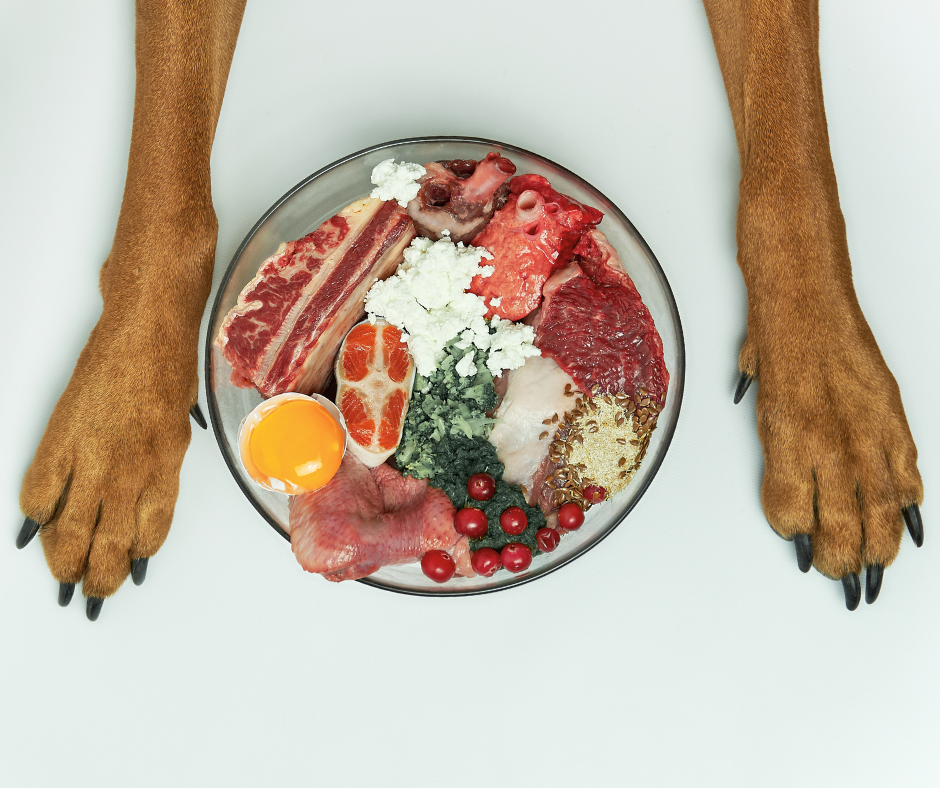
If you scroll through “Dog Instagram” or TikTok long enough, you will inevitably find them: videos of beautifully plated dog dinners. These aren’t bowls of brown kibble. They are elaborate feasts featuring raw steaks, organ meats, quail eggs, and goat milk, all arranged with the artistry of a Michelin-star chef.
The hashtag #RawFedDog has billions of views. Proponents of the BARF diet (Biologically Appropriate Raw Food) claim it leads to shinier coats, cleaner teeth, and more energy. We understand the appeal. As humans, we are moving away from processed foods, so it feels natural to want the same for our pets. However, there is a significant gap between the aesthetics of raw feeding and the microbiological reality.
Below, Oz Animal Hospital will explain that gap. Read on and learn what you should consider before ditching the kibble!
1. The Bacteria Problem
The biggest concern veterinarians have with raw diets isn’t necessarily that your dog will get sick (though they can!). It is that you might get sick.
Raw meat, whether from the grocery store or a boutique pet supplier, often carries pathogens like Salmonella, E. coli, Listeria, and Campylobacter.
While dogs have shorter digestive tracts and higher stomach acidity, which sometimes allows them to handle these bugs better than humans, they can still become asymptomatic carriers.
- The Lick: When your raw-fed dog licks your face, they transfer bacteria to your skin.
- The Shedding: Dogs shed these bacteria in their stool. If you have a toddler crawling in the backyard or an immunocompromised family member, the risk of zoonotic disease (disease passing from animal to human) is very real.
2. The “Wolf” Myth
A common argument is, “Wolves eat raw meat, so my dog should too.”
- While dogs are descendants of wolves, thousands of years of domestication have changed their biology.
- Dogs have evolved to digest starches and thrive on a more varied diet than their wild ancestors.
- Furthermore, wild wolves don’t live as long as our pampered pets. We want our dogs to thrive for many years, not just survive the winter!
3. The Balance Trap
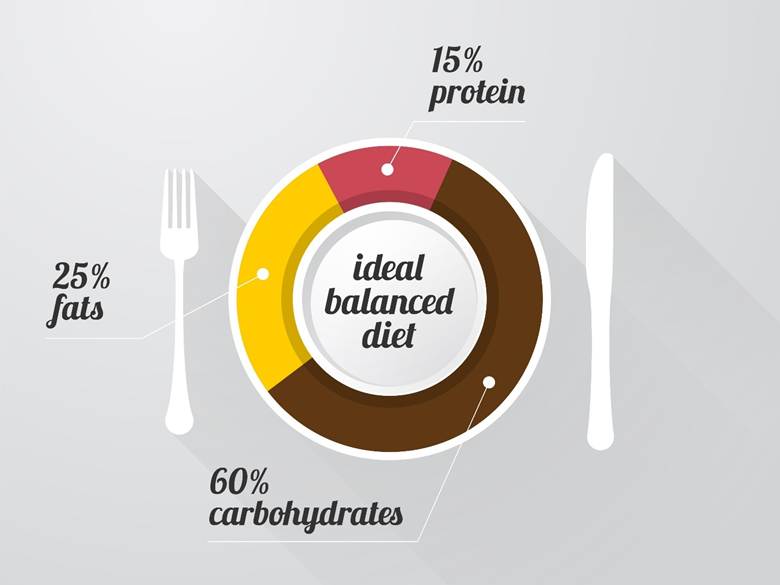
A slab of beef is not a balanced meal. One of the most dangerous pitfalls of DIY raw feeding is nutritional imbalance.
- Calcium/Phosphorus Ratio: If this ratio is off (for example, feeding meat without enough bone/calcium), it can cause severe bone density issues and fractures, especially in growing puppies.
- Micro-deficiencies: Missing out on iodine, zinc, or specific vitamins can lead to long-term organ damage thatyou might not notice until it’s too late.
Is There a Middle Ground?
Absolutely. You don’t have to choose between “burnt brown pellets” and “risky raw meat.”
- Fresh Cooked: Many owners find success cooking fresh food (using a recipe from a veterinary nutritionist) to kill the bacteria while keeping the “whole food” benefits.
- High-Pressure Processing (HPP): Some commercial raw brands use high pressure to kill bacteria.
- Toppers: You can boost a high-quality kibble with fresh, dog-safe veggies or lean (cooked) meats.
We love that you care enough about your pet to worry about their diet. But nutrition is a science, not just a social media trend. Before you switch to raw, make an appointment to discuss it with us. Let’s ensure your pet’s diet is safe for everyone in your house!
At Oz Animal Hospital, we’re dedicated to providing top-tier veterinary care that goes beyond traditional standards. Our team takes the time to understand your pet’s lifestyle, habits, and medical history to provide tailored recommendations for vaccines, preventative care, and treatment options. Choose Oz Animal Hospital for exceptional veterinary care that prioritizes your pet’s well-being and your peace of mind! To schedule your appointment, contact us today.
