“Why is My Dog Suddenly Dropping Food?”
Finding the Source of Hidden Mouth Pain
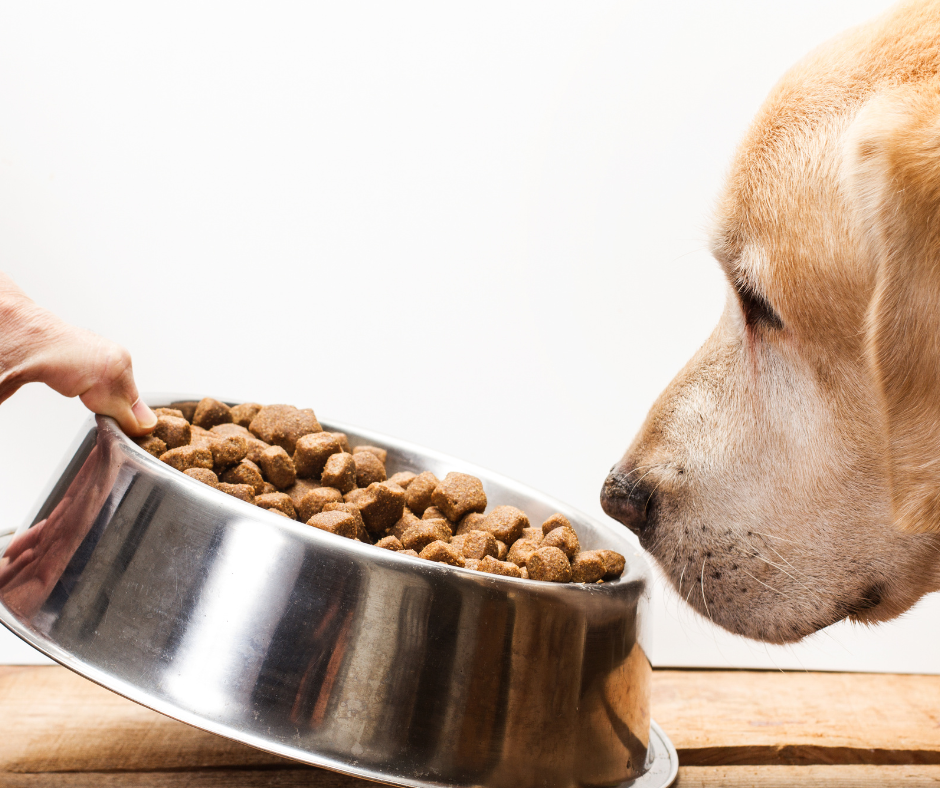
You might notice your dog, who used to inhale their food, is now chewing slowly and only on one side. Or maybe your cat, who loved their crunchy kibble, now just sniffs it and walks away. These aren’t “quirks.” Rather, they are often the first and only signs of a serious, hidden dental problem.
At Oz Animal Hospital, we know that the most dangerous issues are the ones that go undetected. Here are the subtle signs to watch for and the hidden problems they might be pointing to.
The Hidden Problem #1: The Slab Fracture
What You See: Your dog is suddenly “picky.”
- They drop their food while eating, chew on one side, or refuse their favorite hard chew toy. You might also notice them becoming “head shy”—flinching when you try to pet their muzzle.
What’s Likely Happening: Your dog has likely suffered a slab fracture.
- This is a very common injury where a slab of their big, back molar (the carnassial tooth) has shattered, often from chewing on something too hard (like ice, a bone, or a hard nylon toy).
The tooth doesn’t fall out. It just cracks, exposing the sensitive pulp and nerve. It’s an incredibly painful “toothache” that they can’t tell you about.
The Hidden Problem #2: The Feline “Cavity”
What You See: Your cat is suddenly drooling.
- They approach their food bowl, take one bite, and then “chatter” their jaw while backing away. They may only eat their wet food, ignoring dry kibble.
What’s Likely Happening: Your cat may have feline resorptive lesions.
- These are not traditional cavities, but a painful process where the cat’s own body begins to “eat away” at its own teeth, creating deep, painful holes, often right at the gumline.
They are common and intensely painful, but almost impossible to see without a full exam.
The Hidden Problem #3: The Tooth Root Abscess
What You See: The most “obvious” sign of this is often a small, recurring swelling on your pet’s face, right below the eye.
- You may also just notice persistent bad breath that’s worse than normal.
What’s Likely Happening: A tooth root has become infected, and a painful abscess is forming inside the jawbone.
- The tooth itself might look completely normal from the outside. The only way to find this hidden pocket of infection is with a dental X-ray.
Why a “Quick Look” Isn’t Enough
This is why a comprehensive dental exam at Oz Animal Hospital is so much more than just “scraping tartar.” We know the real problems are often invisible. When your pet is safely under anesthesia, we can use our advanced tools to find the issues you can’t see.
You can expect:
- Full-Mouth X-Rays: This is the only way to find a fractured tooth root, a resorptive lesion under the gumline, or an abscess in the jaw.
- Probing & Cleaning: Our ultrasonic tools allow us to clean deep under the gumline where the worst infections start.
- Root Surgeries & Extractions: If we find a non-savable, painful tooth, our skilled team can address it immediately, providing instant relief for your pet.
Don’t wait for “bad breath” to become a sign of advanced dental disease. If you notice any of these subtle changes in your pet’s eating habits or behavior, it’s their way of telling you something is wrong.
Schedule a comprehensive wellness and dental exam today! Let’s find those hidden problems and get your pet back to eating, playing, and living pain-free.
At Oz Animal Hospital, we’re dedicated to providing top-tier veterinary care that goes beyond traditional standards. Our team takes the time to understand your pet’s lifestyle, habits, and medical history to provide tailored recommendations for vaccines, preventative care, and treatment options. Choose Oz Animal Hospital for exceptional veterinary care that prioritizes your pet’s well-being and your peace of mind! To schedule your appointment, contact us today.
